Type 2 diabetes context
Organize visible skin or facial changes alongside health history and responses related to thirst, urination, fatigue or weight changes.

FaceEcho for Health
FaceEcho combines guided facial scans, relevant health questions and structured reports to help people document what they notice, add useful context and prepare for more informed follow-up.
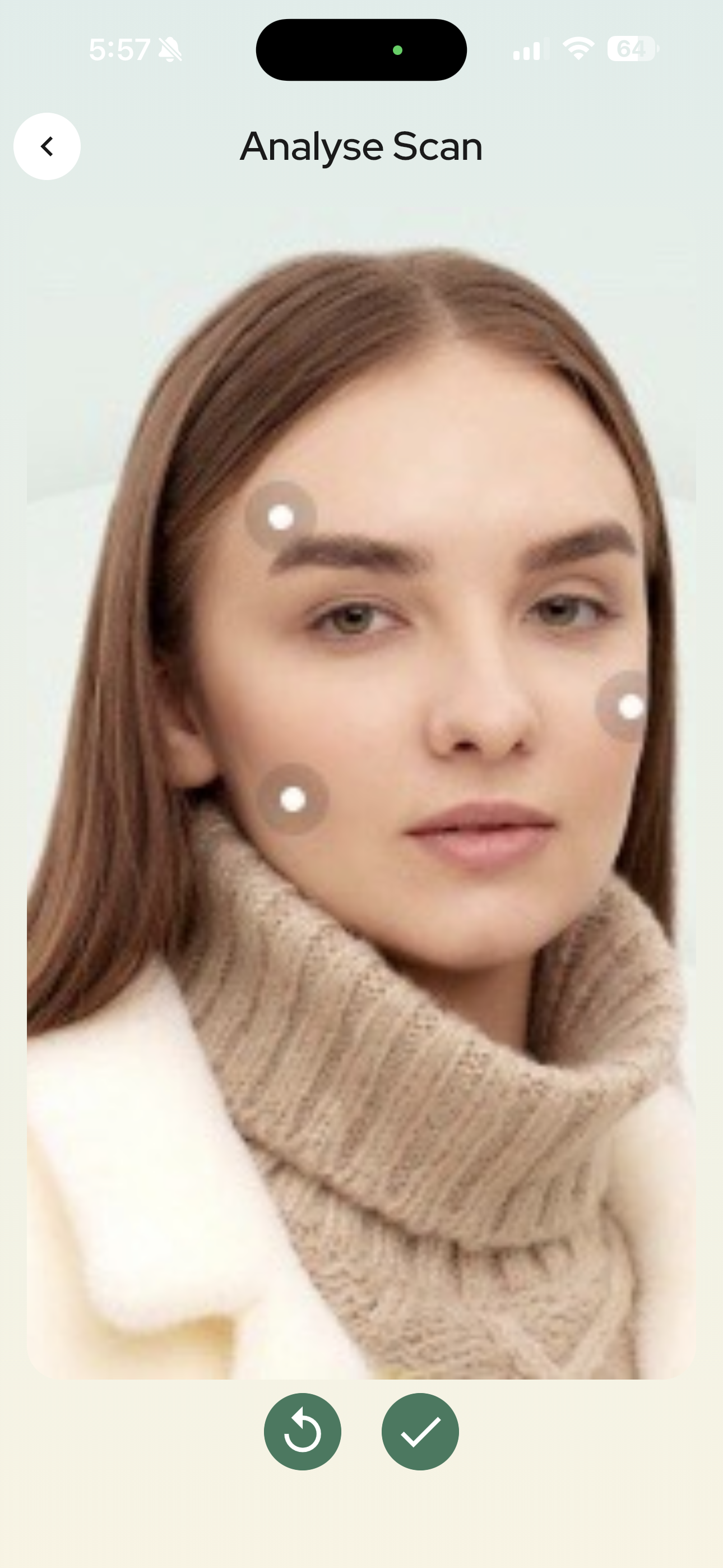
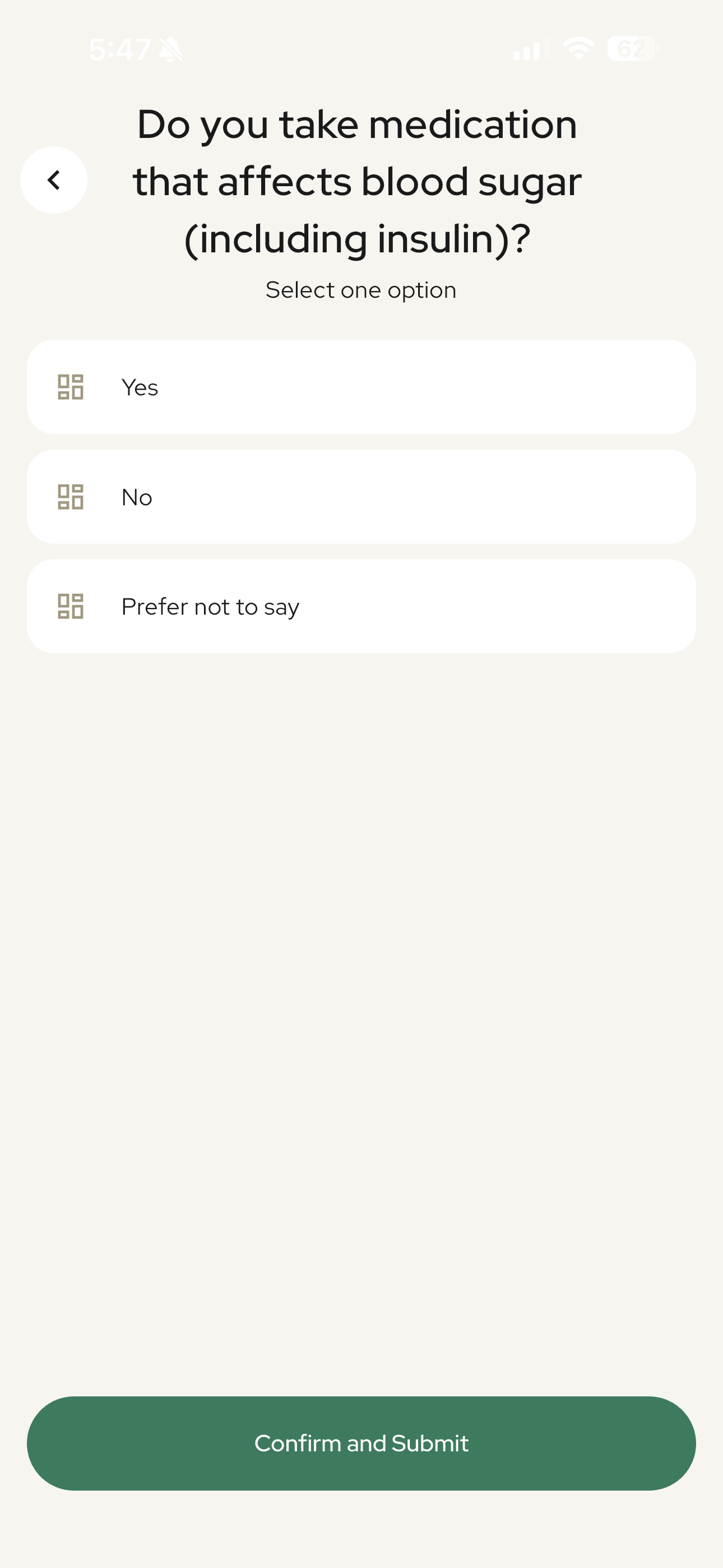
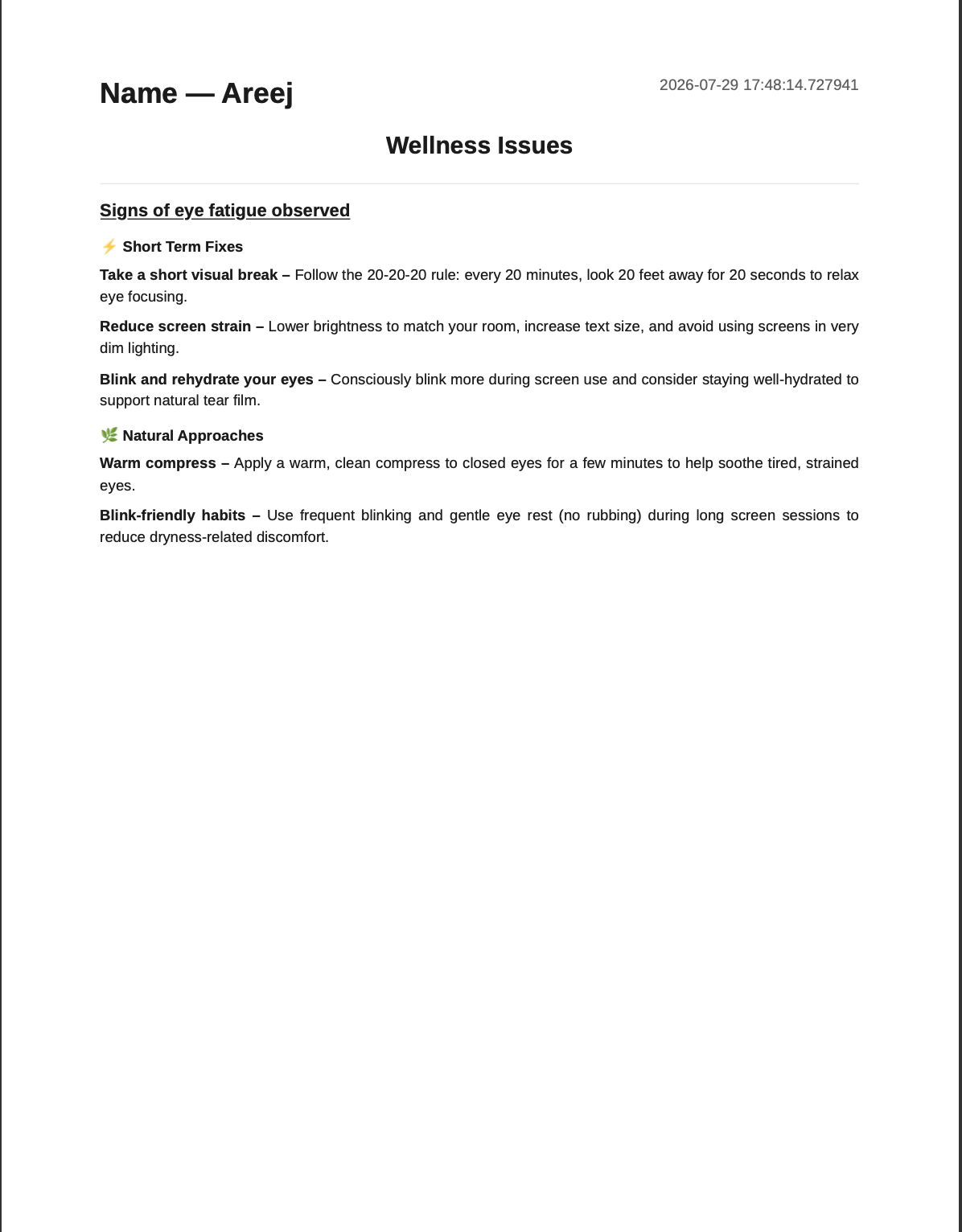
From guided scan to organized report
A facial image alone does not tell the full story. FaceEcho combines guided facial capture with relevant questions and organizes the information into a report that can be saved or used for follow-up.
Health areas
FaceEcho brings observable facial patterns and relevant user-provided information together. The examples below show the types of health areas that may be included in the experience.
Not every health area comes from the facial scan alone. Some are based on visible observations, while others are included through questions, symptoms and health history provided by the user.
Organize visible skin or facial changes alongside health history and responses related to thirst, urination, fatigue or weight changes.
Document yellow-toned skin, visible eye-area yellowing or unusual paleness together with symptoms and timing.
Pain, stiffness and mobility concerns can be included through guided questions. The facial scan itself does not directly evaluate joints.
Visible changes and supporting questions related to metabolism, hormones and nutrient status.
Observable differences in facial color, puffiness, swelling and visible surface vessels.
Visible redness, irritation, pigmentation and surface skin changes that may be worth documenting.
Facial balance, eye-area and mouth-area observations that may deserve closer attention or professional follow-up.
Practical value
FaceEcho is designed to support awareness and organization, whether the information is being used personally, shared with a caregiver or brought into a professional conversation.
Frequently asked questions
A facial scan shows visible surface patterns, such as changes in skin color, puffiness, redness, texture and the area around your eyes and mouth. It cannot see your blood, your hormones or the cause of a change. FaceEcho saves each guided scan as a visual record, which means you can compare what your face shows week to week instead of relying on memory.
No, FaceEcho cannot diagnose a condition. The scan observes visible patterns, and your answers add how you feel, which means you get an organized record rather than a verdict. A scan with nothing observed is not a clean bill of health either, because plenty of what matters never shows on your face.
Your answers add what a camera cannot see: your symptoms, how long something has been going on, your health history and your medications. The scan only observes your face; everything about how you feel comes from you. Together they form one report, which means a visible change sits next to the timing and symptoms that help explain it.
Yes, you can share a saved FaceEcho report with a doctor, caregiver or telehealth provider. It puts what the scan observed and what you reported in one place, which means you spend less time explaining from scratch and more time on the actual conversation. Treat it as a starting point; the professional will make their own assessment.